
ENVIRONMENTAL BALANCE DEVICE TECHNOLOGY
BIOREMEDIATE POLLUTED AIR, WATER AND SOIL WITHOUT USING ELECTRICITY OR ANY OTHER CONSUMABLES
WHAT IT IS: Environmental Balance Device (EBD) technology consists of compact, easily deployed units designed to support and enhance natural bioremediation processes in polluted air, water, and soil. In polluted air applications, EBD systems are associated with measurable and sustained reductions in greenhouse gases (GHGs), including methane, ammonia, flue gas, as well as offensive odors, through ongoing atmospheric bioremediation processes This is achieved without using electricity, consumables, or labor (after installation). EBD has operated at TRL 9 since 2018 and is used on an industrial scale in Europe, North America, and in the Middle East.
HOW IT WORKS: During EBD technology development, we focused, in part, on Reactive Oxygen Species (ROS), which is a collection of highly unstable, oxidizing, oxygen-containing molecules that originate from industrial activities, combustion processes and pollution, as well as biological and environmental generators. High levels of ROS are known to damage microbial DNA, proteins, and lipids, significantly inhibiting their metabolic functions essential for effective bioremediation. High ROS levels overwhelm microbial ability to break down pollutants.
EBD units are engineered systems designed to interact with ambient environmental fields, influencing local electrochemical conditions and energy balance within air, water, and soil environments. These interactions are demonstrated to modulate local electrochemical balance, contributing to more stable molecular and ionic conditions that influence redox behavior and microbial energy exchange. Our proprietary, science-driven approach manages disorder and energy dispersal in a nature-positive manner. EBD systems contain proprietary mineral compositions, including high-entropy metal oxides, that are demonstrated to support electrochemical stabilization and facilitate more favorable electron-transfer conditions within the surrounding environment. This process is proposed to reduce the persistence of unstable ROS, contributing to a shift toward more stable oxygen species within air, water, and soil environments. This unique process reduces microbial stress, promoting optimal conditions for their metabolism and ion regulation. These small yet cumulative, progressive, stabilizing effects are greatly amplified and sustained over time via biological feedback loops, leading to significant, verifiable and continuous, long-term improvements in remediation efficiency without adding external energy.
CLIMATE SOLUTION: EBD is positioned as a potential climate-support technology by contributing to measurable reductions in greenhouse, flue gas and ammonia emissions under real-world operating conditions. It is an affordable, sustainable, and highly scalable Climate Solution tool that meets UN Sustainable Development Goals (SDG) while providing superb odor control and improved air quality.
GREENHOUSE GAS & FLUE GAS: EBD systems are proposed to influence local energy distribution and electrochemical interactions in ways that support native microbial activity and enzymatic function, which contribute to sustained reductions in certain atmospheric greenhouse and flue gas in real time. These include, but are not limited to, methane (CH₄), hydrogen sulfide (H₂S) (super pollutants), carbon dioxide (CO₂), nitrous oxide (N₂O), ammonia (NH₃), Oxides of Nitrogen (NOx) — and corresponding offensive odors — in any size indoor facility as well as expansive outdoor areas. Observed reductions in greenhouse and flue gas concentrations are demonstrated to result from a combination of enhanced biological processing and altered chemical stability, with downstream transformation pathways remaining an active area of investigation. There is ample GHG and flue gas emission reduction data generated in a number of EBD treatment applications and sectors. We propose that the microbes present in and around the EBD treatment area break down the GHG and flue gas molecules into simpler harmless monatomic and diatomic gases that are released as byproducts back into the atmosphere and the remaining carbon is consumed by these microbes for their energy and structural building block needs.
AIR TREATMENT APPLICATIONS: Oil fields, landfills, wastewater treatment plants (WWTP), municipal zones with poor air quality, factories, manufacturing plants, oil refineries, animal barns, lavatories, and food processing plants to name a few.
Contact Freytech Inc. for a complete list of applications, sectors and benefits.
WATER TREATMENT APPLICATIONS: EBD technology controls corrosion, biofouling and sludge build up in piping and related equipment transporting any type of fluid. This saves energy. It also treats wastewater, hard water, irrigation water, well water, and prolongs water filter service life including RO membranes. This is accomplished without using electricity, consumables, or labor (once installed).
CONTAMINATED SOIL APPLICATIONS: EBD causes the effective bioremediation of contaminated soil and groundwater removing hydrocarbons, heavy metals, and other pollutants of concern.
EBD is sustainable, highly scalable, affordable and once installed does not require any labor except for bi-annual visual inspections.
EBD technology is certified and/or confirmed effective by:
- Northeast Wisconsin Technical College (NWTC) USA – Dairy Science Department has confirmed after 12 months of weekly METHANE GAS sampling and testing inside a large dairy barn located in Marinette County, Wisconsin that the “EBD barn has an average of 63% less methane readings versus the Control barn in varied weather and ventilation conditions.”
The EBD treated barn houses 1,500 milk cows and measures. - Florida International University (FIU), USA – Confirmed “safe to use”
- Ministry of Science and Innovation of Spain – Certified EBD removes GHGs
- National Scientific Research Council (CSIC), Spain – Certified EBD removes GHGs
- Polytechnic University of Cartagena, Spain – Certified EBD removes up to 95% GHGs
- Ministry of Science, Technology and Innovation of Malaysia – Confirms EBD is effective in soil treatment and increasing rice crop yield
- Regional Autonomous Corporation of Cundinamarca (CAR), Colombia – Certified EBD effective in remediating polluted rivers in real time
EBD IS ALSO A FINANCIAL TOOL: Public and private sector entities that implement EBD technology to remove GHG emissions or treat contaminated water or soil can qualify for Sustainability-Linked Loans (SLL), which offer reduced interest rates—usually 5-25 basis points—for meeting sustainability targets like Scope 1 and 2 emission reductions, following SLL Principles. SLLs are flexible and may be used for general business needs including refinancing, M&A, or working capital.
COMPLIANCE, ENHANCED ESG REPORTING & COMPETITIVE ADVANTAGE: EBD systems provide valuable tools to private and public sector GHG emitters wherever located.
European Union (EU): The EU Emissions Trading System (ETS) Directive is a key part of the Fit for 55 Package and vital for companies in the EU to meet climate and financial requirements.
Non-EU Companies: The EU Corporate Sustainability Reporting Directive (CSRD) has global reach obligating companies that export to the EU to report their gas emissions. EBD systems can help those exporters meet the CSRD requirements in order to stay competitive in the EU.
United States (USA): EBD meets California’s Climate Crisis Act (AB 1279, 2022) and Senate Bill 32 (SB 32) requirements
United Arab Emirates (UAE): EBD meets UAE’s ROCC Law (Federal Decree-Law No. 11 of 2024)
Nationally Determined Contributions (NDC): EBD helps nations meet their NDCs
ENVIRONMENTAL BALANCE DEVICES (EBD)
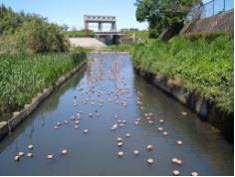
Lake, River, and Algae Treatment
EBD Systems remediate rivers, lakes, wetlands, and other bodies of water on a continuous ongoing real time and long term basis. Scalable.
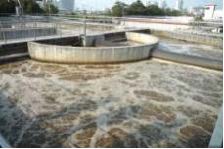
Raw Sewage Treatment for Discharge
Effectively treats raw sewage by up to 90 % in a flow through, real time basis in sewer pipes, open canals / ditches, septic tanks and Wastewater Treatment Plants without requiring labor, chemicals, bacteria, aeration, electric power, filters or other consumables. Functional and ideal solution for any location which lacks sewage treatment facilities.
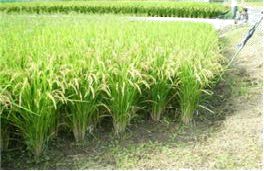
Agricultural Soil Remediation, Disease Control & Crop Yiel Augmentation
Solutions ranging from the repair and reclamation of degraded, damaged and over-farmed soil, through to maximizing crop yield.
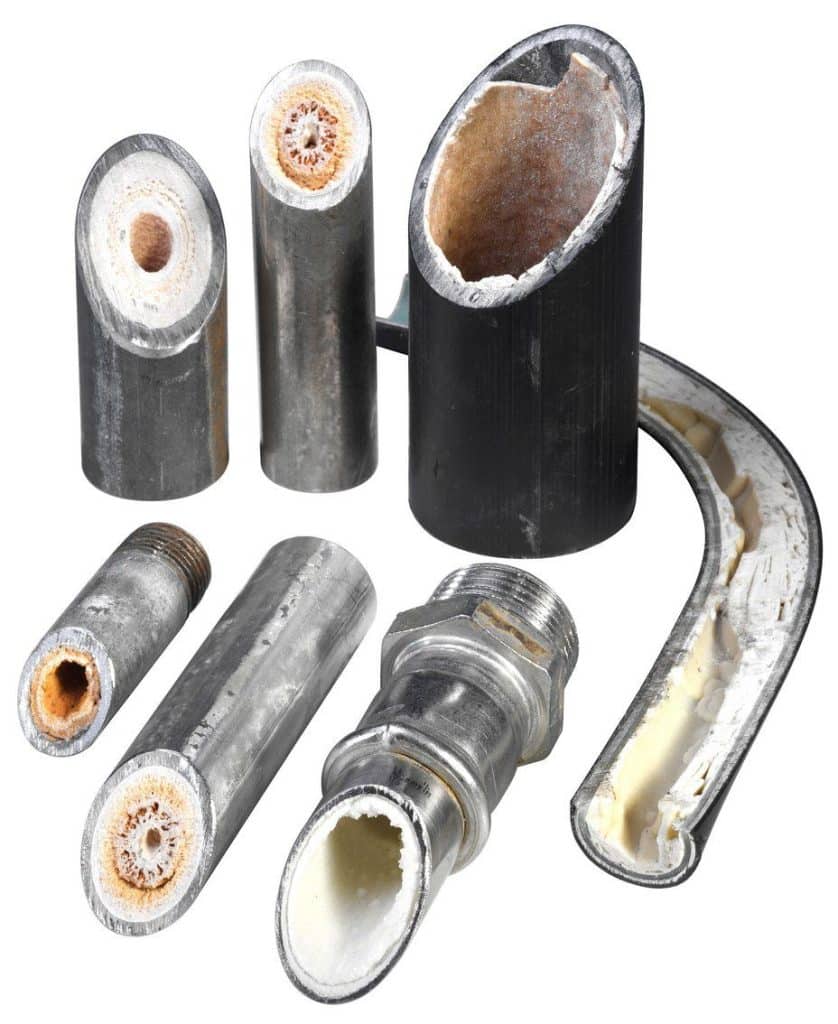
Hard Water Treatment
On a continuous basis, reduce high concentrations of minerals with scalable installations for any flow rate.
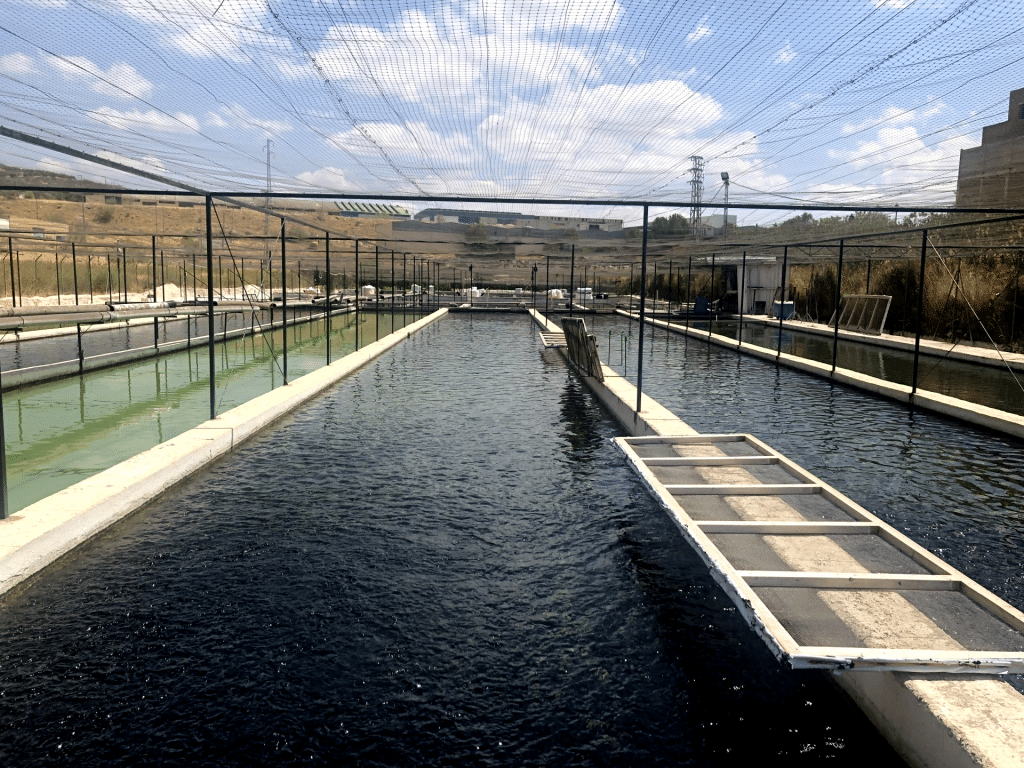
Aquaculture Water Remediation, Disease Control, & Yield Augmentation
EBD fish packs effectively remediate pollutants in the water in both onshore and offshore applications and increases crop yield.
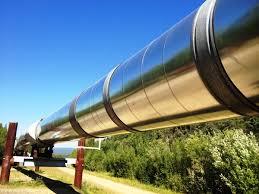
Oil Pipelines, Tanks and Tankers
Sustainable solutions to decrease sludge, drag, oil viscosity and corrosion. By creating an energy particle balance between NEP- and PEP+ levels, all atomic frequencies of all matter situated in the oil pipelines and in the oil tanks are naturally optimized.
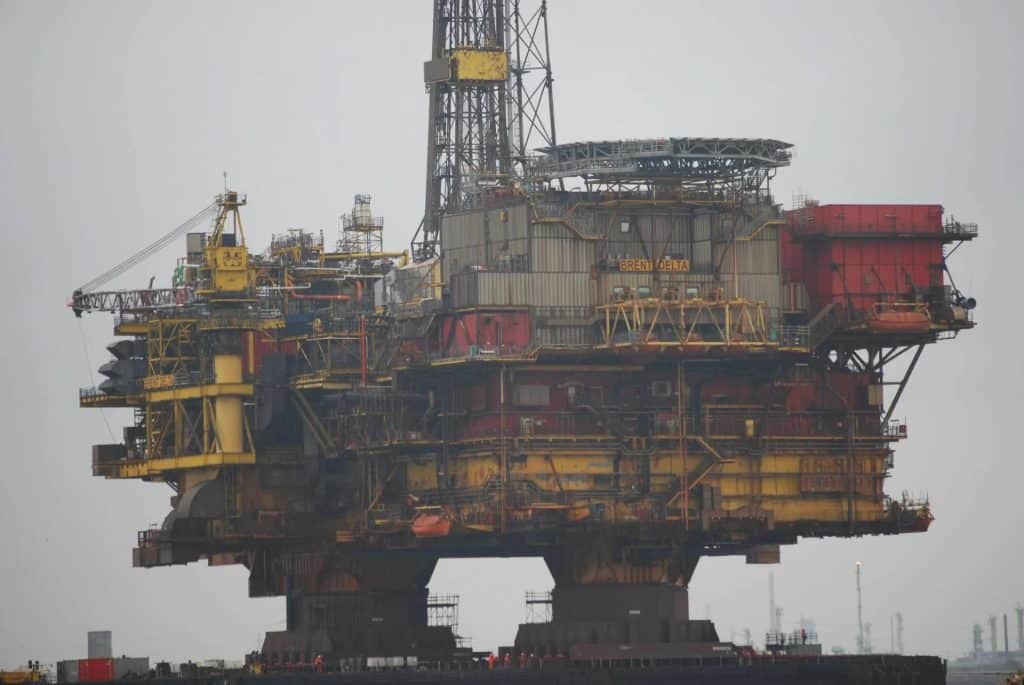
Crude Oil Wells Production Increase
EBD systems placed on the wellhead above ground, reduce paraffin wax build up, decrease hydrogen sulfide levels in crude oil and effectively decrease corrosion.
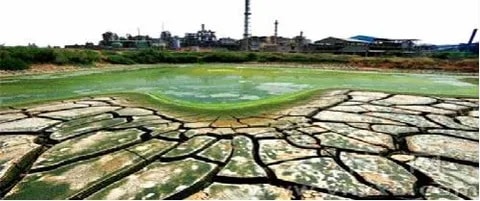
Soil and Groundwater Remediation
EBD technology fully remediates organic and inorganic contaminants (including crude oil) in soil, and costs significantly less than any other conventional soil remediation technology.

Septic Tank Treatment and Odor Control
EBD technology designed to enhance septic tank odor control and treatment for improved performance. Helps prevent septic backups and reduce odors with no maintenance required.