
ENVIRONMENTAL BALANCE DEVICE TECHNOLOGY
BIOREMEDIATE, BIODEGRADE, AND TRANSFORM POLLUTION IN AIR, FLUIDS, AND SOIL WITHOUT USING ELECTRICITY OR ANY OTHER CONSUMABLES
WHAT IT IS: Environmental Balance Device® (EBD) technology is a compact, passive engineered system designed to enhance natural transformation and remediation processes in polluted air, fluids, soil, and industrial systems.
EBD improves the conditions under which natural biological, chemical, electrochemical, and redox transformation processes occur. By influencing localized electrochemical, redox, electron-transfer, and interfacial conditions, EBD supports more efficient transformation of pollutants while also improving the efficiency of the systems and infrastructure in which it is installed.
EBD units are small, easily deployed, and designed for straightforward retrofit into virtually any operating environment, from major industrial facilities with extensive infrastructure to remote locations with little or no supporting infrastructure. Installation generally requires minimal disruption to existing operations, and the technology does not depend on electrical power, chemical dosing, replaceable filters, or any other replenishable consumables.
[AIR] EMISSIONS AND ODOR CONTROL: In air-treatment applications, EBD systems are associated with measurable and sustained reductions in targeted greenhouse gases and residual emissions, including methane (CH₄), nitrous oxide (N₂O), hydrogen sulfide (H₂S), ammonia (NH₃), nitrogen oxides (NOx), carbon dioxide (CO₂) (residual flue-gas constituents, volatile compounds, and offensive odors.
Rather than simply capturing pollutants in a filter, masking an odor, or continuously dosing chemicals, EBD is designed to enhance the environmental transformation processes acting on the compounds themselves. Different pollutants are addressed through different biological, chemical, and redox-mediated pathways, progressively transforming susceptible compounds into more stable downstream products.
Odor control is an important EBD application. At wide indoor and outdoor installations where conventional chemical dosing and activated carbon have produced inadequate results despite significant recurring expense, EBD has demonstrated the ability to achieve substantial and sustained odor reduction without requiring continuous chemical replenishment or carbon replacement.
This has implications well beyond plant operations. Persistent industrial odors can significantly affect the quality of life of people living and working near wastewater plants, landfills, agricultural operations, refineries, processing facilities, and other emission sources. Effective odor control therefore addresses not only an operational problem but an environmental and social-equity concern for surrounding communities. EBD provides operators with a practical means of addressing emissions and offensive odors at their source while reducing dependence on costly consumable-based odor-control systems.
[FLUIDS] WATER, WASTEWATER, OIL, GAS, AND INDUSTRIAL PROCESS SYSTEMS: In polluted water and other fluid systems, EBD enhances transformation processes occurring within municipal and industrial wastewater, process water, contaminated groundwater, oily wastewater, sludge-associated liquids, petroleum systems, and other complex fluid streams.
EBD is designed to establish more favorable electrochemical, redox, electron-transfer, and interfacial conditions. These conditions can support native microbial processes responsible for degrading organic contaminants while also influencing non-biological processes associated with mineral precipitation, particle aggregation, surface adhesion, scale formation, sludge accumulation, and other forms of fouling.
For wastewater and contaminated-water applications, EBD can improve the efficiency of naturally occurring treatment processes that reduce organic loading and transform nitrogen, sulfur, petroleum, and other susceptible contaminants. Existing tanks, basins, lagoons, pipelines, treatment trains, and process systems can therefore be upgraded with EBD without necessarily constructing an entirely new treatment facility.
For oil, gas, refining, production, and pipeline applications, improved efficiency has a direct production value. Deposits containing waxes, asphaltenes, mineral scale, corrosion products, sludge, suspended solids, and biological material can progressively reduce a pipe’s effective internal diameter, increase hydraulic resistance and pressure loss, restrict flow, increase pumping and heating requirements, and eventually force cleaning or shutdown.
EBD is designed to influence the electrochemical and interfacial conditions that contribute to the formation, aggregation, and adhesion of these materials. By reducing deposition and helping preserve the effective internal diameter and flow capacity of pipelines and process equipment, EBD can reduce hydraulic resistance and fouling while improving fluid mobility.
For oil and gas operators, this can translate directly into greater production and transportation capacity: less obstruction means more usable flow area, lower resistance to flow, reduced pumping requirements, fewer cleaning interventions, and the potential to move more product through existing infrastructure. Rather than increasing production solely by installing larger pumps, adding heat, injecting chemicals, or replacing piping, EBD is designed to improve the efficiency of the infrastructure already in service.
[SOIL & GROUNDWATER] IN-SITU REMEDIATION: For contaminated soil and groundwater, EBD is designed to enhance in-situ transformation and remediation, allowing treatment processes to occur within the contaminated environment itself rather than depending exclusively on excavation, removal, transportation, or energy-intensive above-ground treatment.
Contaminated soils contain complex biological, mineral, chemical, and electrochemical systems. EBD supports more favorable conditions for the naturally occurring processes capable of transforming pollutants within those systems.
Native microbial communities can degrade or transform petroleum hydrocarbons and other susceptible organic contaminants through aerobic and anaerobic pathways. Organic carbon may be broken into simpler compounds, used by microorganisms for energy, incorporated into microbial biomass, or progressively mineralized through successive metabolic reactions.
Other contaminants require different transformation mechanisms. Regarding metals, biological, chemical, and electrochemical processes can change their oxidation state, chemical form, mobility, solubility, precipitation behavior, or interaction with the surrounding mineral matrix. EBD therefore supports a broader remediation environment rather than relying on one organism or one reaction to address every contaminant.
Because EBD can be deployed directly within the treatment area with limited supporting infrastructure, it is particularly suited to large, difficult, remote, or operationally active contaminated sites where excavation or conventional pump-and-treat infrastructure may be costly, disruptive, or impractical.
IMPROVING ENVIRONMENTAL AND OPERATIONAL EFFICIENCY
EBD does more than reduce dependence on chemicals, filters, and other consumables. It is designed to improve the overall efficiency of the environment and infrastructure being treated.
- Improved transformation of pollutants and residual emissions;
- Enhanced biological and enzymatic treatment efficiency;
- Reduced offensive odors;
- Reduced sludge, scale, mineral deposition, biofouling, and surface adhesion;
- Preservation of effective pipe and equipment flow area;
- Reduced hydraulic resistance and pressure loss;
- Reduced pumping, heating, cleaning, and treatment-energy requirements;
- Fewer chemical, filter, and consumable requirements;
- Longer intervals between maintenance and cleaning;
- Greater use of existing treatment and pipeline capacity; and
- Increased production or throughput where flow restrictions are reduced.
The result is a fundamentally different approach to environmental treatment: using compact engineered technology to enhance the natural transformation processes already present while making the existing facility, treatment system, or production infrastructure operate more efficiently.
EBD has operated at Technology Readiness Level 9 (TRL 9) since 2018 and is deployed at industrial scale in Europe, North & South America and the Middle East. Its compact footprint, retrofit flexibility, passive operation, and ability to improve both environmental performance and operational efficiency allow EBD to be deployed across applications ranging from municipal wastewater and industrial emissions to contaminated land, petroleum production, pipelines, refineries, and other complex industrial environments.
INDEPENDENT TESTING, EVALUATION & INSTITUTIONAL VALIDATION
Environmental Balance Device® (EBD) technology has been independently tested, evaluated, certified, or otherwise reviewed in programs involving academic institutions, scientific organizations, and government agencies in multiple countries.
- Northeast Wisconsin Technical College (NWTC), USA — Methane Reduction Following 12 months of weekly methane sampling inside a large commercial dairy barn in Wisconsin, NWTC reported that the EBD-treated barn produced average methane readings 63% lower than the Control barn across varying weather and ventilation conditions. The EBD-treated facility measures 15,000m2 (3.7 acres) and houses approximately 1,500 dairy cows.
- Florida International University (FIU), USA — Safety Evaluation
Florida International University evaluated EBD technology and confirmed it to be safe to use. - Ministry of Science and Innovation and the National Scientific Research Council (CSIC), Spain — Greenhouse Gas and Ammonia Reduction
EBD has undergone yearlong testing involving the reductions in targeted greenhouse-gas and ammonia emissions under evaluated conditions. - Polytechnic University of Cartagena, Spain — Greenhouse Gas Reduction
Yearlong Testing involving the Polytechnic University of Cartagena reported reductions of up to 95% in targeted greenhouse gases under the evaluated treatment conditions. - Regional Autonomous Corporation of Cesar (CAR), Colombia — Wastewater and River Remediation
The Regional Autonomous Corporation of Cesar (CAR) confirmed EBD effectiveness in the remediation and treatment of sewage in municipal oxidation lagoons under field conditions. - Energy Company, Middle East – Residual Flue Gas Emission Reduction from Diesel CAT Generator
Substantial sustained reductions in CO2, CO, NOx emissions in EBD equipped CAT diesel power generator as compared to control CAT generator. - Municipal Wastewater Treatment Plant, Virginia, USA – Odor Control
The operator/owner confirms that EBD resolved a long-standing odor problem inside the plant and in surrounding neighborhoods after costly chemical dosing and activated carbon did not meet expectations.
Together with commercial operating data, these evaluations demonstrate the breadth of EBD applications across air emissions, water, wastewater, soil, and environmental remediation.
EBD CAN ALSO CREATE FINANCIAL VALUE
FINANCIAL VALUE FROM USING FREYTECH EBD
EBD’s environmental benefits can also translate into measurable financial and operational value.
Organizations using EBD to reduce greenhouse-gas emissions, energy consumption, wastewater loading, environmental impacts, or other measurable sustainability indicators may be able to incorporate those results into Sustainability-Linked Loans (SLL) and other sustainable-finance structures.
Sustainability-linked financing connects agreed financial terms to achievement of predetermined sustainability performance targets. Where appropriate, independently measured EBD performance may provide data supporting KPIs relating to greenhouse-gas reduction, energy efficiency, water treatment, pollution reduction, or other material environmental objectives.
EBD installation does not by itself qualify an organization for sustainability-linked financing. Financing terms, KPI selection, performance targets, reporting requirements, verification, and any associated pricing adjustments are determined by the borrower, lender, applicable Sustainability-Linked Loan Principles, and the individual financing agreement.
EBD can nevertheless provide an important advantage: measurable environmental improvement combined with measurable operational savings. Depending on the application, these benefits may include lower electricity consumption, reduced chemical and consumable use, reduced pumping and treatment requirements, lower maintenance costs, improved infrastructure efficiency, and increased industrial production or throughput.
COMPLIANCE, SUSTAINABILITY REPORTING & COMPETITIVE ADVANTAGE
Measured and appropriately documented EBD performance can provide public- and private-sector organizations with valuable data for emissions management, sustainability reporting, decarbonization programs, regulatory compliance strategies, and corporate climate targets.
EBD does not replace applicable regulatory monitoring, reporting, verification, or certification requirements. Rather, where EBD produces measurable reductions recognized under the applicable methodology, those results can become part of an organization’s documented environmental-performance strategy.
EUROPEAN UNION:
For companies operating installations covered by the EU Emissions Trading System (ETS), verified reductions in covered greenhouse-gas emissions may be relevant to emissions reporting and allowance obligations, provided the reductions are recognized under the applicable EU ETS monitoring and verification methodology.
For companies manufacturing goods subject to the Carbon Border Adjustment Mechanism (CBAM), reductions in qualifying embedded emissions may also have financial and competitive importance where those reductions are recognized under the applicable CBAM methodology.
The Corporate Sustainability Reporting Directive (CSRD) and European Sustainability Reporting Standards establish sustainability-reporting requirements for companies falling within their scope. Certain non-EU companies with significant operations in the European Union can also fall within the European sustainability-reporting framework.
For companies that must quantify and report their environmental performance, properly measured EBD results can provide useful supporting data for emissions reduction, energy efficiency, pollution prevention, water management, and other sustainability indicators.
UNITED STATES: CALIFORNIA
California’s SB 32 establishes a statewide greenhouse-gas reduction target of 40% below 1990 levels by 2030.
The California Climate Crisis Act — AB 1279 establishes state policy to achieve carbon neutrality no later than 2045, maintain net-negative greenhouse-gas emissions thereafter, and reduce statewide anthropogenic greenhouse-gas emissions by at least 85% below 1990 levels by 2045.
Where EBD produces documented reductions in greenhouse-gas emissions, energy consumption, or other relevant environmental impacts, the technology can support facility and corporate decarbonization strategies aligned with these broader California climate objectives.
UNITED ARAB EMIRATES
The UAE’s ROCC Law (Federal Decree-Law No. 11 of 2024) on the Reduction of Climate Change Effects establishes a national framework that includes greenhouse-gas emissions measurement, reporting, verification, emissions inventories, and emission-reduction measures for sources subject to the law.
Where applicable, documented EBD emissions reductions can support organizations seeking to measure, manage, report, and reduce emissions within this regulatory framework.
NATIONALLY DETERMINED CONTRIBUTIONS: PARIS AGREEMENT
Nationally Determined Contributions (NDC) are the climate commitments through which countries establish and communicate their efforts to reduce national greenhouse-gas emissions and address climate change under the Paris Agreement.
Because EBD is scalable across industrial, agricultural, wastewater, waste-management, energy, soil, and water applications, verified EBD emissions reductions can potentially contribute to national emissions-reduction programs and NDC implementation where the technology and resulting reductions are incorporated into the country’s applicable measurement, reporting, and accounting framework.
FROM ENVIRONMENTAL PERFORMANCE TO BUSINESS VALUE
EBD allows environmental improvement and operational efficiency to work together.
For organizations facing growing pressure to reduce emissions, lower energy consumption, control pollution, document sustainability performance, improve infrastructure efficiency, and remain competitive in increasingly carbon-conscious markets, EBD provides a compact engineered system capable of producing measurable environmental and operational improvements without continuous external electrical power or replenished treatment consumables.
Properly measured and independently documented EBD performance can therefore support much more than environmental remediation. It can contribute to lower operating costs, improved productivity, sustainability-linked financing strategies, emissions reporting, corporate decarbonization objectives, regulatory strategies, and long-term competitive advantage.
ENVIRONMENTAL BALANCE DEVICES (EBD)
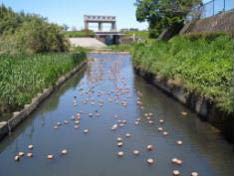
Lake, River, and Algae Treatment
EBD Systems remediate rivers, lakes, wetlands, and other bodies of water on a continuous ongoing real time and long term basis. Scalable.
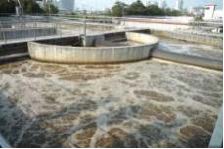
Raw Sewage Treatment for Discharge
Effectively treats raw sewage by up to 90 % in a flow through, real time basis in sewer pipes, open canals / ditches, septic tanks and Wastewater Treatment Plants without requiring labor, chemicals, bacteria, aeration, electric power, filters or other consumables. Functional and ideal solution for any location which lacks sewage treatment facilities.
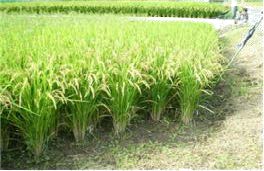
Agricultural Soil Remediation, Disease Control & Crop Yiel Augmentation
Solutions ranging from the repair and reclamation of degraded, damaged and over-farmed soil, through to maximizing crop yield.
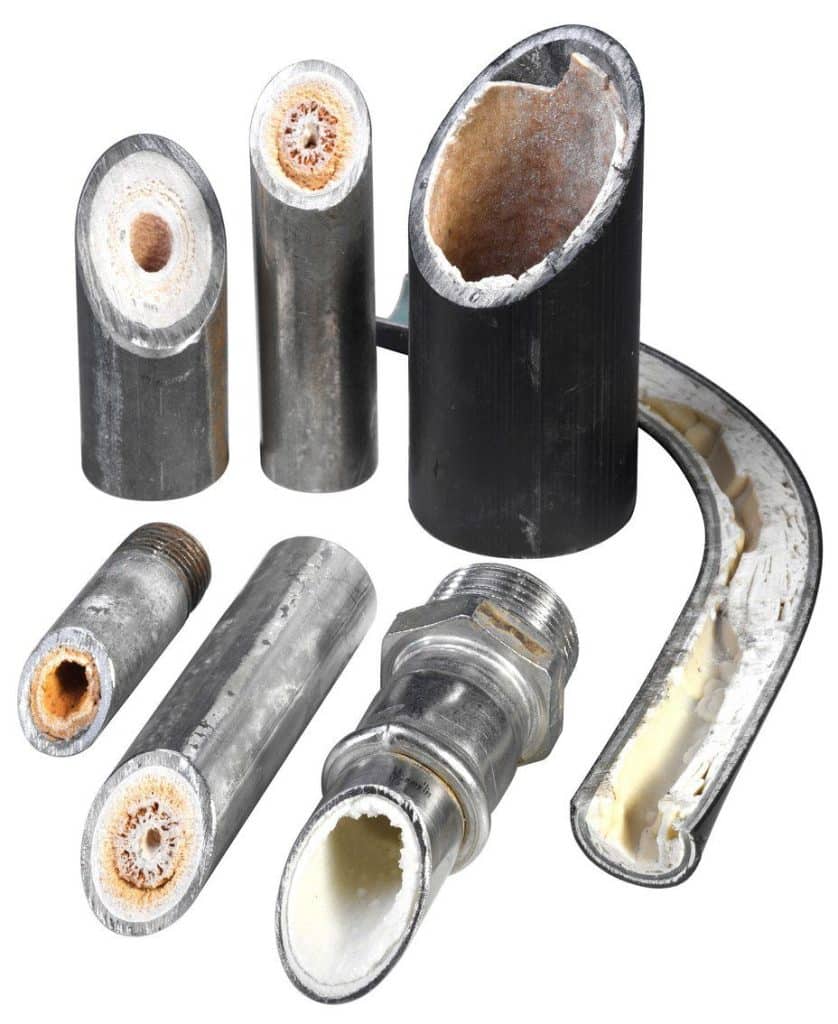
Hard Water Treatment
On a continuous basis, reduce high concentrations of minerals with scalable installations for any flow rate.
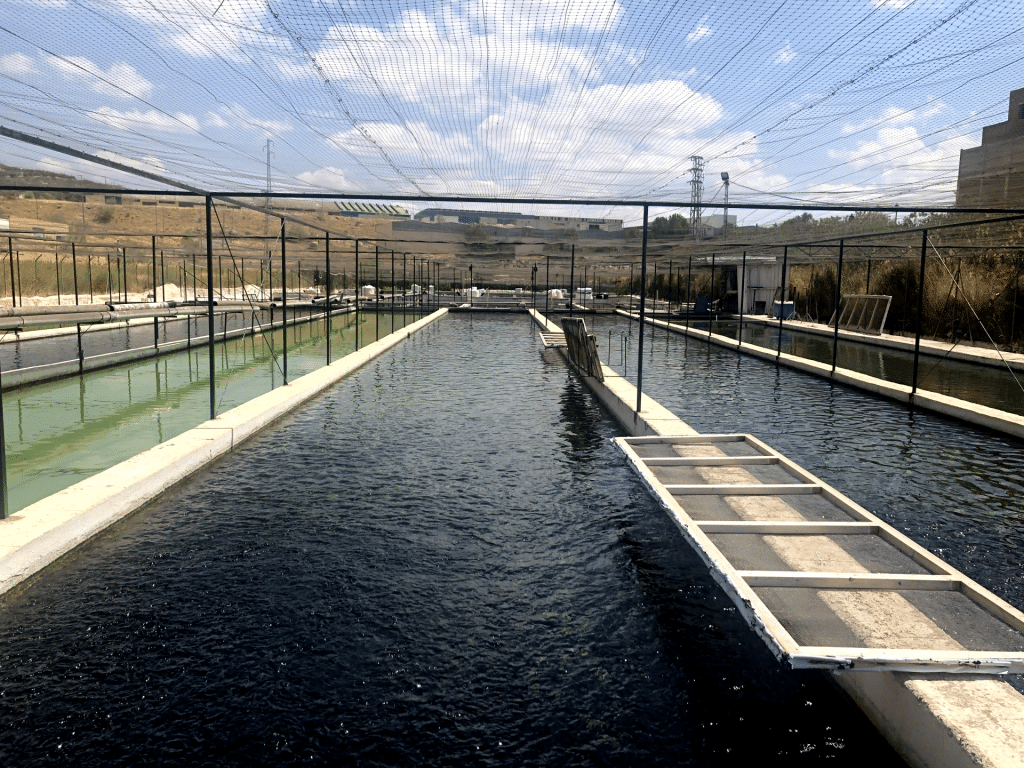
Aquaculture Water Remediation, Disease Control, & Yield Augmentation
EBD fish packs effectively remediate pollutants in the water in both onshore and offshore applications and increases crop yield.
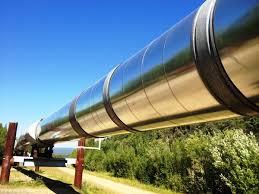
Oil Wells, Pipelines, and Surface Facilities
Sustainable solutions to decrease sludge, drag, oil viscosity, and corrosion. Limiting oxidative processes that contribute to crude-oil aging, corrosion, fouling, and deposit formation

Greenhouse & Flue Gas Elimination
Reductions in greenhouse gases such as methane (CH₄), together with air pollutants and flue gas constituents including ammonia (NH₃), hydrogen sulfide (H₂S), nitrogen oxides (NOx) and related odors.
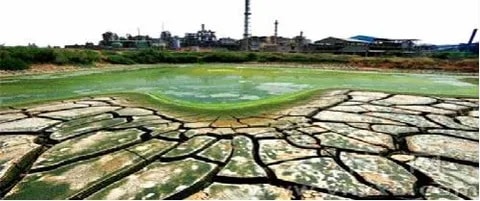
Soil and Groundwater Remediation
EBD technology fully remediates organic and inorganic contaminants (including crude oil) in soil, and costs significantly less than any other conventional soil remediation technology.

Septic Tank Treatment and Odor Control
EBD technology designed to enhance septic tank odor control and treatment for improved performance. Helps prevent septic backups and reduce odors with no maintenance required.