Have you ever thought about how Ohio keeps its underground water safe? Ohio Below Ground OWS are key in managing wastewater and protecting the environment. These systems are closely watched to keep our groundwater and ecosystems safe.
In Ohio, the Bureau of Underground Storage Tank Regulations (BUSTR) looks after these systems. They keep an eye on all underground tanks that hold petroleum and hazardous substances. This rule is vital for keeping Ohio’s underground OWS safe and our natural resources protected.
It’s important for businesses and property owners to know about Ohio’s OWS rules. From putting them in to keeping them up, everything has its own set of rules. Let’s explore how these systems are crucial for managing wastewater in Ohio.
Key Takeaways
- Below ground OWS are essential for Ohio’s wastewater management
- BUSTR regulates underground storage tanks in Ohio
- Regulations apply to USTs with 10% or more volume below ground
- Petroleum and hazardous substances are considered regulated substances
- Compliance with BUSTR regulations is crucial for environmental protection
Understanding Below Ground Oil Water Separators in Ohio
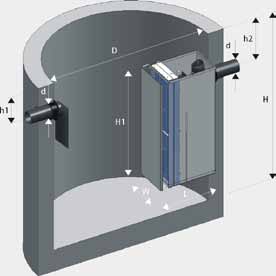
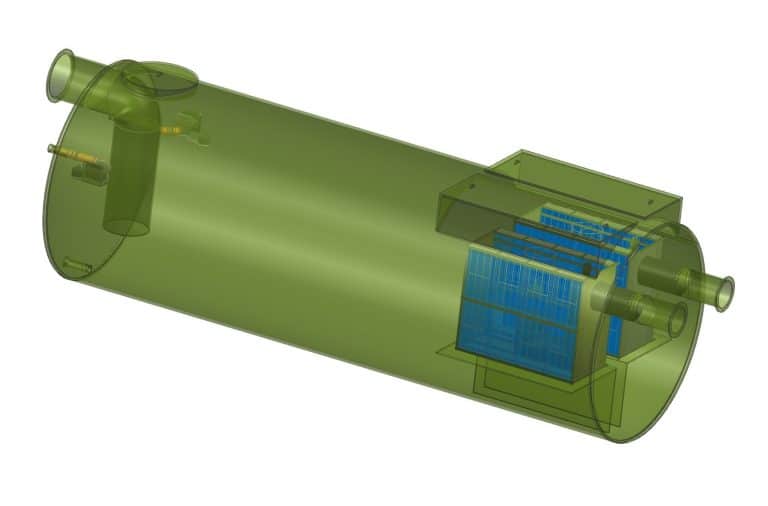
Below Ground Oil Water Separators are key in Ohio’s sewage and wastewater treatment. They separate oil from water, protecting the environment and meeting legal standards.
Definition and Purpose of Below Ground OWS
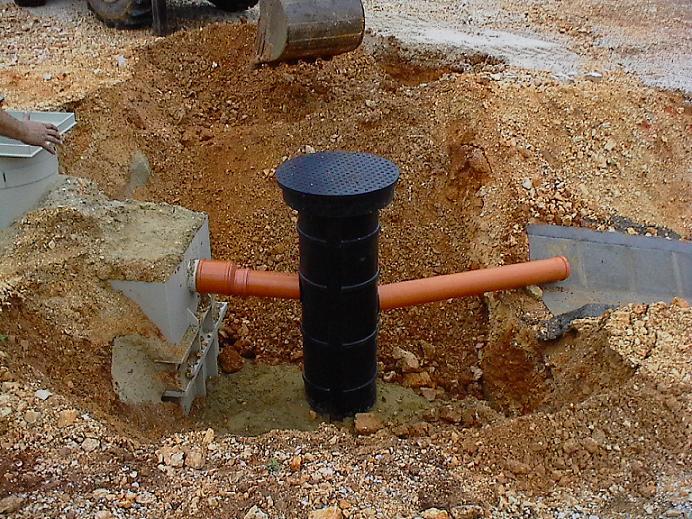
These systems remove oil and other harmful substances from wastewater. They are vital for places like car repair shops and industrial areas. By keeping oil and water apart, they stop pollution and protect Ohio’s water.
Regulatory Framework for Underground Storage Tanks in Ohio
Ohio has strict rules for Below Ground Oil Water Separators. These rules are part of a bigger set for underground storage tanks. The goal is to stop leaks and spills that could harm soil and groundwater. Places with these systems must follow these rules closely.
BUSTR’s Role in Regulating Below Ground OWS
The Bureau of Underground Storage Tank Regulations (BUSTR) watches over Below Ground OWS in Ohio. BUSTR makes sure rules are followed, checks on things, and keeps standards up to par. Their work keeps wastewater treatment systems in Ohio safe and effective, protecting people and the environment.
Types of Below Ground OWS Systems in Ohio
Ohio uses different types of below ground oil water separator (OWS) systems. These systems are key in managing sewage and subsurface drainage. Let’s look at the main types found in Ohio.
Standard Gravity Separators
Standard gravity separators are a common choice in Ohio. They separate oil from water using hydraulic retention time. As wastewater moves through, oil droplets go to the top for easy removal.
This simple method is used in many places.
Enhanced Gravity Separators
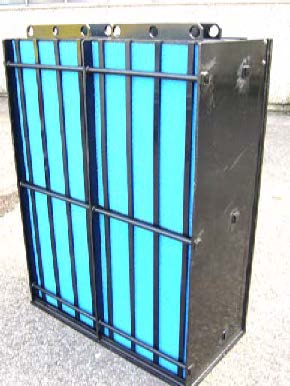
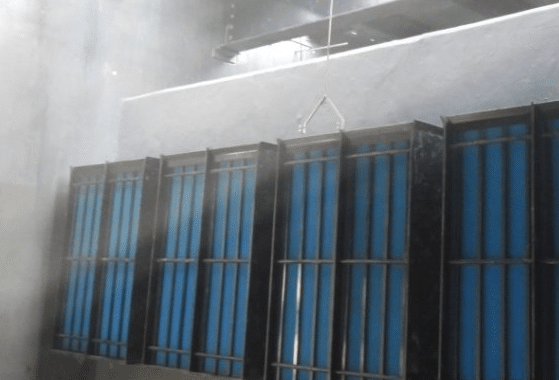
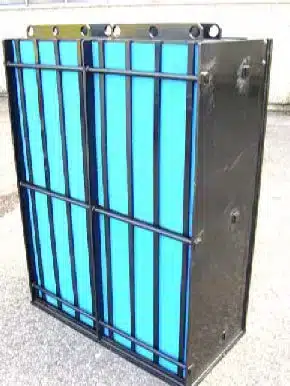
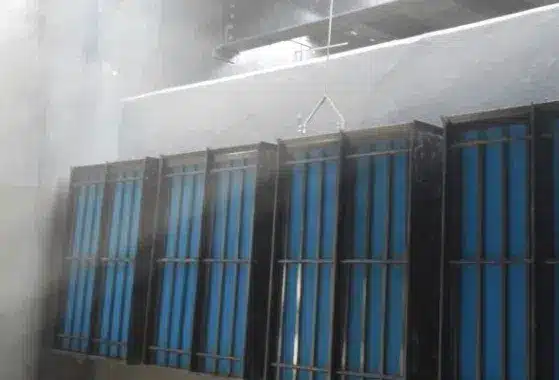
Enhanced gravity separators improve oil-water separation. They use coalescing media and small diameter cartridges to catch smaller oil droplets. This is great for tight spaces where Ohio’s sewage disposal rules need better separation.
Vortex Separators
Vortex separators mix gravity with centrifugal forces for better oil-water separation. They’re perfect for areas with complex drainage needs in Ohio. These systems remove oil efficiently, making them a top pick for industrial use.
Each OWS system has its own design, operation, and maintenance needs. Choosing and caring for these systems right ensures they work well and follow Ohio’s environmental laws.
Ohio Below Ground OWS: Regulations and Compliance
Ohio has strict rules for below ground oil water separators (OWS). These rules come from the Bureau of Underground Storage Tank Regulations (BUSTR). They help protect underground water and make sure septic tanks are installed right in Ohio.
BUSTR Requirements for Underground Storage Tanks
BUSTR watches over the setup and upkeep of underground storage tanks, like OWS systems. These rules cover everything from the first setup to checking up on them. Following these rules is key for good wastewater management in Ohio.
Exemptions for Certain UST Systems
Some underground storage tanks don’t have to follow BUSTR rules. This includes tanks for hazardous waste and certain wastewater systems. Tanks under 110 gallons also get a pass. Knowing these exceptions is important for installing septic tanks right in Ohio.
Compliance Measures for Below Ground OWS
To follow BUSTR rules, there are a few key steps. First, installing them correctly is vital. Then, regular upkeep and on-time reports are also key. These steps make sure below ground OWS systems work well in Ohio. They help with wastewater management and protect underground water.
Installation and Maintenance of Below Ground OWS in Ohio
Installing below ground oil water separators (OWS) in Ohio needs careful planning and following state rules. These systems are key for onsite wastewater treatment in Ohio, making sure sewage is disposed of properly and keeping subsurface drainage good. It’s important to get the size and flow rate right for the best performance.
When putting in an OWS, you must follow BUSTR guidelines and the maker’s specs. This means picking the right spot, digging the area, and connecting it to other drainage systems correctly. Getting a pro to install it is key to meeting Ohio’s tough environmental rules.
Keeping an OWS in good shape is vital for its long life and effectiveness. Regular cleaning and checks stop the release of oil or untreated wastewater. Facilities should have a set plan for maintenance, including pump-outs, filter changes, and checking the structure’s condition.
Ohio has strict rules for sewage disposal and subsurface drainage systems. This includes keeping up-to-date maintenance records, doing tests now and then, and fixing problems fast. By sticking to these rules, facilities can make sure their OWS systems keep Ohio’s water safe.
Environmental Benefits and Efficiency of Below Ground OWS
Below ground oil water separators (OWS) in Ohio are key to protecting our environment. They cut down on hydrocarbon discharge into water systems. This keeps aquatic ecosystems and public health safe.
Hydrocarbon Discharge Reduction
Ohio Below Ground OWS systems catch and separate oil from wastewater before it gets into the environment. This reduces harmful pollutants in our waterways. It helps keep our water clean.
Enhanced Coalescing Technology
Modern Below Ground Oil Water Separators use advanced coalescing technology. This technology makes separating oil from wastewater more efficient. It leads to cleaner water and better pollution control.
Freytech Inc.’s Contributions to OWS Efficiency
Companies like Freytech Inc. are improving Below Ground OWS technology. Their advanced systems can remove up to 5 parts per million (PPM) of oil from wastewater. Some systems even get down to 0.1 PPM for emulsified oil. This sets new standards for protecting the environment.
These separators are crucial in storm water systems. They process runoff to meet the US EPA’s Clean Water Act standards. With effective oily water treatment, facilities protect the environment and dodge big fines.
FAQ
What is a below ground oil water separator (OWS) in Ohio?
A below ground OWS is a system that separates oil from water in wastewater. In Ohio, it’s regulated by the Bureau of Underground Storage Tank Regulations (BUSTR). This is true if it holds substances like petroleum and hazardous materials.
What types of below ground OWS systems are used in Ohio?
Ohio uses different types of below ground OWS systems. These include standard gravity separators and enhanced gravity separators with coalescing media. There are also vortex separators that use gravity and centrifugal forces for better oil-water separation.
What is BUSTR’s role in regulating below ground OWS in Ohio?
BUSTR makes sure below ground OWS and other underground storage tank (UST) systems follow the rules in Ohio. They check for compliance, do inspections, and enforce the rules. They also define what substances are regulated and what kind of USTs are allowed.
Are there any exemptions or partial exemptions for certain UST systems in Ohio?
Yes, some UST systems don’t have to follow all BUSTR rules. For example, those holding hazardous wastes or wastewater tanks under federal laws are exempt. USTs with less than 110 gallons also don’t have to follow all rules. Some systems are only partially exempt, like certain wastewater treatment systems and USTs at nuclear power facilities.
What are the compliance measures for below ground OWS in Ohio?
To follow the rules, below ground OWS in Ohio need to be installed, maintained, and reported correctly as BUSTR says. Facilities must install, operate, and maintain them according to Ohio’s rules and environmental standards.
What are the environmental benefits of below ground OWS?
Below ground OWS systems in Ohio help the environment by cutting down on hydrocarbon discharge into water. The enhanced coalescing technology makes oil removal from wastewater more effective.
How does Freytech Inc. contribute to OWS efficiency?
Freytech Inc. helps make OWS more efficient with advanced separator packages. These can remove oil to levels as low as 5 PPM, which is better than the North American limit of 10 PPM. Their technology can separate different types of hydrocarbons, with some systems getting down to 0.1 PPM for emulsified oil.