Ever thought about How to Maintain an Oil Skimmer? or how an oil skimmer can make your machinery last longer and protect the environment? Keeping your oil skimmer in good shape is key. It helps remove oil from water, keeps coolant systems clean, and meets environmental rules. Regular care also saves money and boosts performance.
This article will share top tips for oil skimmer maintenance. It’s important for anyone using a skimmer in manufacturing, food processing, or wastewater treatment. Knowing how to care for your equipment ensures it works well and lasts longer.
Key Takeaways
- Regular maintenance extends the lifespan and ensures consistent operation of your oil skimmer.
- Choosing the right size skimmer for your tank optimizes oil removal effectiveness.
- Different materials, like poly or stainless steel belts, enhance efficiency based on temperature needs.
- Implementing continuous tramp oil removal improves environmental health and reduces harmful emissions.
- Automated skimming techniques can dramatically reduce downtime and maintenance cleaning time.
- Using the ecoLine ADD can lead to a cost reduction of 20-30% by prolonging equipment life.
- Periodic inspections help identify wear and tear, preventing enforced shutdowns in production.
Understanding the Importance of Oil Skimmers
Oil skimmers are key in many industrial settings. They help with both efficiency and keeping the environment clean. By removing oil from water or coolants, they make operations cleaner and meet environmental rules.
With so much waste oil in the U.S., using oil skimmers is a must for green businesses.
Benefits for Industrial Applications
There are many types of oil skimmers, like tube, belt, and disk models. Each type is made for different needs. Tube skimmers work well in big tanks, removing oil fast. Belt skimmers are small and flexible, great for tight spaces.
Disk skimmers are good at separating oil from mixed fluids. Taking good care of oil skimmers helps them last longer and work better.
Environmental Compliance in the U.S.
Following environmental rules is very important for industries. Oil skimmers help manage waste oil and prevent pollution. This keeps operations safe from harming the environment.
Working oil skimmers reduce the chance of big environmental problems. They help businesses stay green and avoid fines.
Cost-Effectiveness and Efficiency
Oil skimmers are a smart investment for saving money. Getting rid of oil waste can be expensive. But, oil skimmers reduce the amount of oil to remove, saving money.
They also make operations more efficient. This means less maintenance and less need to replace coolants. It’s a win-win for businesses.
Components of an Oil Skimmer
Knowing what makes up an oil skimmer is key for keeping it running well. There are many types of oil skimmers, each with its own job. Belt skimmers use a belt that sticks to oil and pulls it off. Tube skimmers have a tube that picks up oil, and disc skimmers use a disc to collect oil.
Types of Oil Skimmers
Choosing the right oil skimmer is important. Weir skimmers are great at removing oil, working well in many places. Oleophilic skimmers are good for certain oils like diesel. Disc and brush skimmers work well with most oils, making them useful in many industries.
Key Features to Look For
When picking an oil skimmer, look at its durability, how easy it is to maintain, and how well it works. Systems with timers stop overflows. Designs with diverters help get coolant back. These features help keep the skimmer working well, as any good maintenance guide will tell you.
Role of Enhanced Coalescing Technology
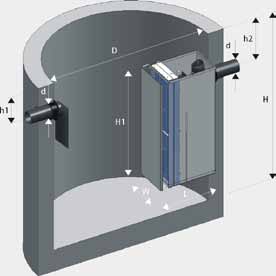
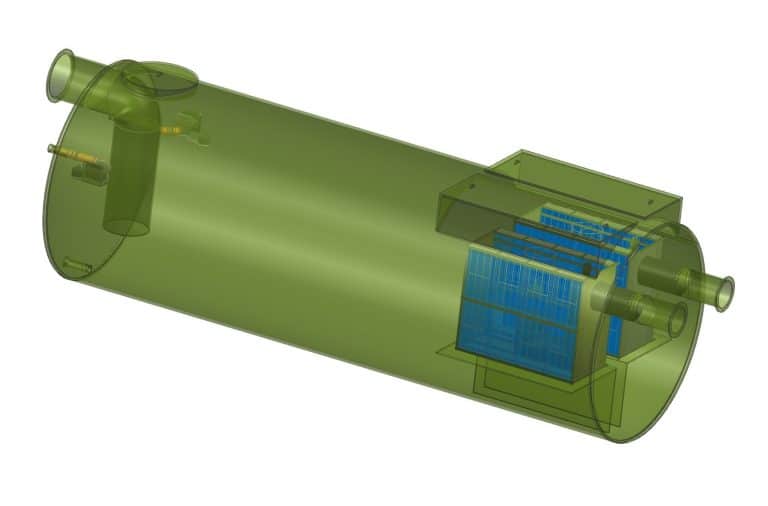
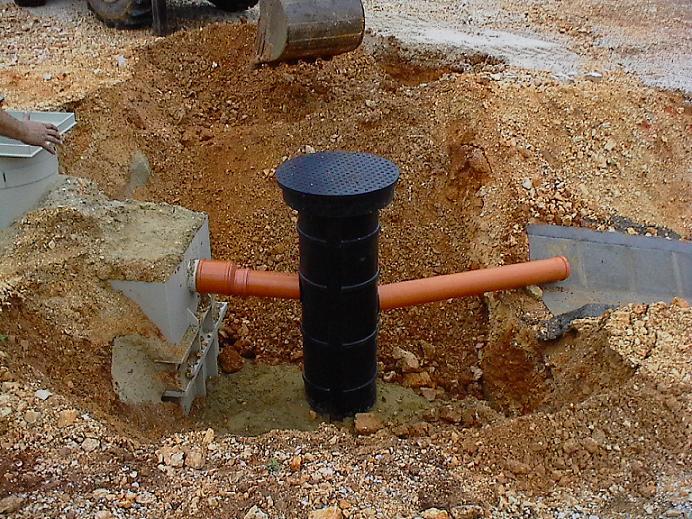
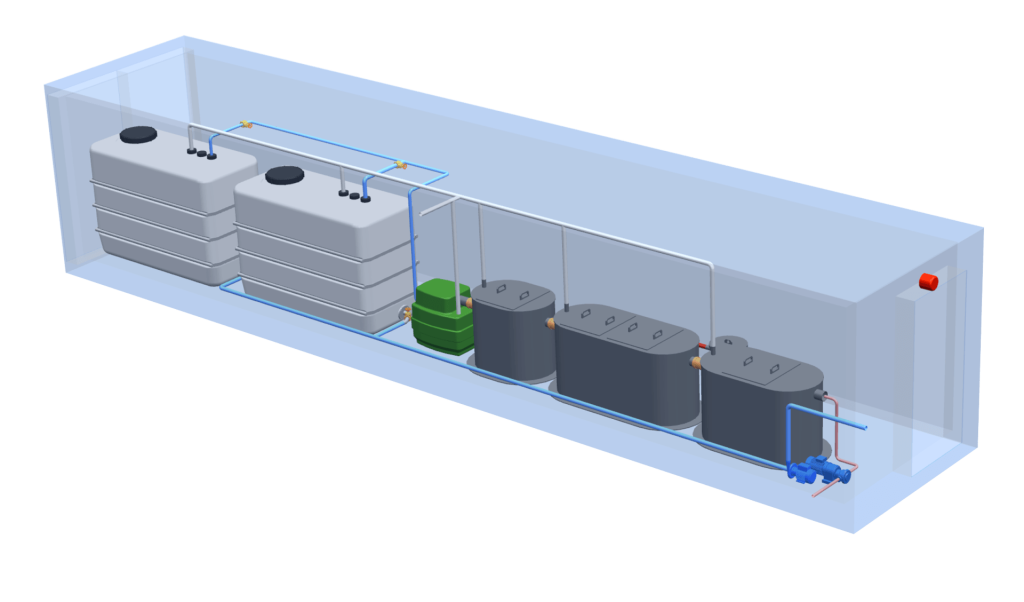
Enhanced coalescing technology makes oil skimmers better at separating oil and water. Freytech’s OWS can separate oil and water down to 0.1 PPM, which is very clean. This technology makes oil skimmers more effective and helps meet strict environmental rules.
Regular Maintenance Checklist
Keeping an oil skimmer in good shape is key to its performance and life span. A regular maintenance checklist helps avoid problems and boosts efficiency. Daily checks, weekly cleanings, and monthly reviews are important for keeping things running smoothly.
Daily Inspection Procedures
Daily checks help spot issues fast and keep the skimmer running well. Look at the oil levels and the skimming media closely. Fixing small problems early can save big on repairs later. Sticking to these cleaning routines helps your equipment last longer and work better.
Weekly Cleaning Tasks
Weekly cleanings are vital for keeping things running right. Clean the coalescing media to help separate oil. Use the right advice to check for wear on important parts. Regular cleaning saves money and keeps the skimmer efficient, making sure oil is removed well.
Monthly Performance Evaluations
Monthly checks are key to seeing how well the oil skimmer is doing. They help find problems early. This approach, along with a good maintenance plan, keeps the system working well. It helps manage waste better and meets environmental rules.
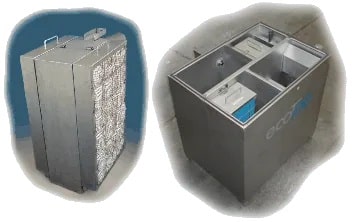
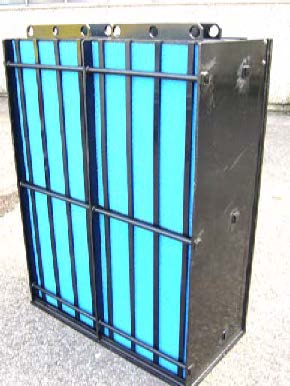
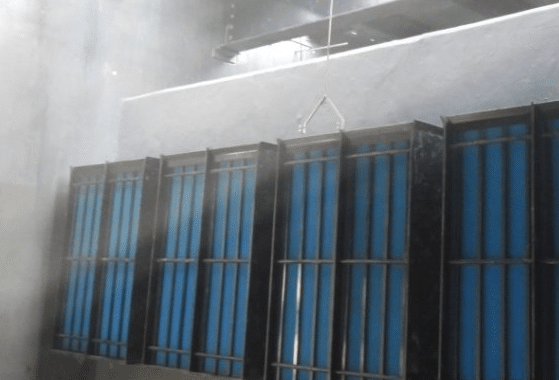
Cleaning the Coalescing Media
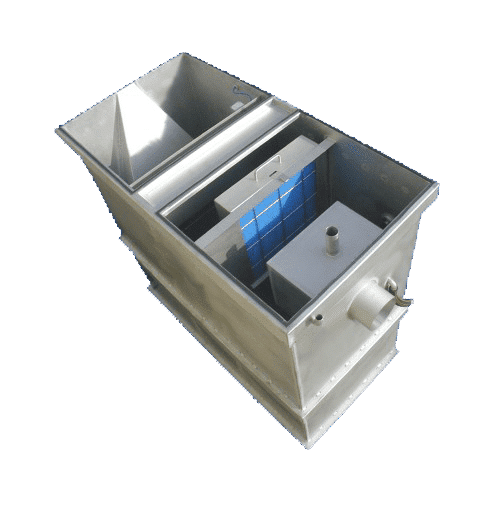
The coalescing media is key to oil skimmers’ success. Knowing how to clean it right is vital. Regular upkeep keeps the media clean, improving oil separation.
How to Spray Wash Coalescing Media
To clean the media, use high-pressure water jets. This method gets rid of oil and dirt without harming the media. Make sure the water pressure is just right to avoid damage.
Good cleaning also means checking how well the media works after washing.
Signs of Wear and Tear
Keep an eye out for signs of wear on the media. Look for lower efficiency, color changes, or physical damage. These signs mean it’s time to replace the media.
When to Replace Coalescing Media
Knowing when to replace the media is important. If it’s not cleaning well or looks worn out, it’s time for a new one. Regular checks help you keep your oil skimmer running smoothly.
Incorporating the Patented Oil Skimmer
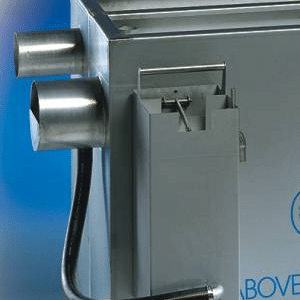
The patented oil skimmer from Freytech Inc. fits right into your current systems. It makes oil removal more efficient. This smart solution pulls oil from water without needing manual help. Knowing how it works helps you get the most out of it.
How the Skimmer Works
This system uses advanced tech to get rid of oils floating on water. It has automated steps that keep oil removal steady. This means your operations run smoother.
The skimmer’s continuous process helps manage oil levels well. This is key for keeping your facility running smoothly.
Benefits of Automatic Draining
The skimmer’s automatic draining is a big plus. It collects oil in a separate container. This keeps the process going without stops, cutting down on downtime.
This saves on labor costs and makes workflows better. It’s great for businesses wanting to work more efficiently.
Ensuring 99.7% Purity of Skimmed Oil
Getting oil very clean is important for recycling and reuse. The patented oil skimmer makes sure the oil is up to 99.7% pure. This is great for places wanting to cut down on waste.
With higher purity, you spend less on disposal. It also helps in making your industrial practices more sustainable.
Monitoring Separation Efficiency
It’s key to watch how well oil skimmers separate oil from water. This helps meet environmental rules and keeps operations running smoothly. Knowing the difference between 5 PPM and 0.1 PPM helps operators see how well their skimmers are doing. If the skimmer isn’t doing well, it can cost more, and water quality might suffer.
Understanding 5 PPM vs. 0.1 PPM Efficiency
When we talk about 5 PPM and 0.1 PPM, we’re talking about how good an oil skimmer is. A skimmer at 0.1 PPM can really cut down oil in water, making it cleaner. Companies that want to follow the rules and protect the environment need to use the best technology to separate oil.
Importance of Regular Testing
Testing oil skimmers often is a must. It keeps them working right and shows if they need any changes. If a test shows a problem, it’s fixed right away. This keeps everything running smoothly and saves money in the long run.
Adjusting Settings for Optimal Performance
Changing the skimmer’s settings based on test results makes it work better. Every place has its own oil problems, so settings need to be adjusted for each one. Using the latest tech for monitoring helps make these changes easier and more effective. This can really cut down on costs and make things run more smoothly.
For more tips on making your oil skimmer better, check out oil skimming systems.
Handling and Storing Separated Oil
It’s key to handle and store separated oil safely. This keeps everyone safe and follows local laws. It also helps the environment and reduces risks from bad oil management.
Knowing about recycling options makes oil management even better. It adds to the benefits of keeping oil safe.
Recycling Options for Used Oil
Recycling used oil cuts down on waste and helps the planet. Many places have recycling programs for oil. This makes getting rid of oil cheaper and better for the environment.
By recycling, companies help the planet. They also avoid problems like illegal dumping.
Safety Measures During Storage
Keeping oil storage safe is very important. Using the right containers and labels is a must. This keeps oil from causing accidents.
Checking storage areas often is also important. It stops leaks and spills. Training workers on safety makes the workplace safer.
Compliance with Local Regulations
Knowing local laws about oil is a must. Companies must follow these rules. This keeps them out of trouble and helps the environment.
Regular checks and audits help follow these rules. This keeps the community and environment safe.
Troubleshooting Common Issues
Fixing oil skimmers can be tough, but spotting mechanical problems early is key. Many issues, like blockages, can slow them down. Knowing how to check for these problems can save a lot of time and money.
Identifying Mechanical Failures
Spotting mechanical issues in oil skimmers means looking for odd noises, vibrations, or if they’re not catching oil. Regular checks are important to catch these signs early. Also, watching the coolant temperature and looking for color changes can tell you if the skimmer is working right.
Solutions for Clogged Skimmers
Clogged skimmers can really hurt their performance. Keeping them clean and well-maintained is the best way to avoid this. Look for and fix blockages quickly to keep the skimmer running smoothly. Using top-notch materials and easy-to-clean designs also helps prevent clogs.
Rectifying Oil Emulsification Problems
Dealing with oil emulsification problems needs a good grasp of the oil types involved. It can make the skimmer less efficient and cost more to fix. Using advanced skimming tech can help solve these issues. Keeping an eye on oil quality and doing regular maintenance can also help prevent emulsification problems.
Choosing Freytech Inc. for Your Needs
Choosing Freytech Inc. means getting top-notch technology and support. Their separator packages are great at cutting down oil discharge. They can even get oil levels as low as 0.1 PPM.
Each package is built with the latest coalescing technology. This makes oil separation very efficient and meets strict environmental rules.
Overview of Freytech Separator Packages
Freytech separator packages are made for different needs. They work well within North American oil discharge limits. They can separate oil to levels below 5 PPM, which is above the standard.
These packages can handle flow rates from 25 to over 640 gallons per minute. This makes them flexible for various needs.
Advantages of Enhanced Coalescing OWS
Freytech’s separators use advanced coalescing technology. This helps oil droplets merge into bigger ones, making separation faster. The separated oil is about 99.7% pure, making it easier to dispose of or recycle.
Many others use old suction methods that can mix oil and water. This can increase disposal costs. Freytech avoids these problems with their effective oil-water separation.
Customer Support and Expertise
Expert customer support is key at Freytech. They offer personalized solutions for your needs. Their team is always ready to help pick the right package and ensure it works well.
With ongoing support, clients can trust their investment. They know they have a reliable partner for oil separation and following environmental rules.
Contact Us for More Information
Need help with your oil skimmer? Freytech Inc. is here to help. Our team is ready to boost your efficiency and extend your equipment’s life. Whether you’re looking for the best skimmer or maintenance tips, we’re here to help.
How to Reach Freytech Inc.
Get in touch with Freytech Inc. for all your oil skimmer needs. A consultation will give you tailored advice for your operations. We’re committed to helping you improve your oil skimmer’s performance and profits.
Scheduling a Consultation
Ready to schedule a meeting? Just call us at +1(305)372-1104. We know how important it is to keep your systems running smoothly. Our team is ready to support you and enhance your oil skimming operations.

FAQ
What are the essential maintenance tips for How to Maintain an Oil Skimmer?
To keep an oil skimmer in top shape, start with daily checks on oil levels. Clean the coalescing media weekly. Also, do a monthly check-up to see how it’s doing. Sticking to a routine helps it work its best.
How often should the coalescing media be cleaned?
Clean the coalescing media every week. This gets rid of oil and dirt that builds up. It’s key to keeping it efficient at separating oil.
What are the indicators that an oil skimmer needs servicing?
Look out for signs like less oil separation, worn-out parts, and oil on the media. Catching these early helps avoid bigger problems.
Why is enhanced coalescing technology important in oil skimmers?
Enhanced coalescing tech is vital. It makes oil skimmers super efficient, removing oil down to 0.1 PPM. This meets strict environmental rules.
What should be done with separated oil after it’s removed?
You can recycle the oil, which is good for the planet. Make sure to store it in the right containers and follow local laws.
How can I troubleshoot issues with my oil skimmer?
First, spot mechanical problems and clean clogged parts. Then, figure out how to deal with oil emulsions based on the type of oil.
How does Freytech’s patented oil skimmer benefit operations?
Freytech’s oil skimmer makes oil removal automatic. This cuts downtime and ensures the oil is very clean for recycling.
What differentiates Freytech separator packages from others?
Freytech’s packages use top-notch coalescing tech for better oil separation. They’re great for many industries and meet tough environmental rules.
How often should I test the performance of my oil skimmer?
Test your oil skimmer often to check its oil separation. Adjust it as needed to keep it running well.
Who can I contact for more information about oil skimmers?
For info on oil skimmers, call Freytech Inc. at +1(305)372-1104. They offer expert advice and support for your needs.