Did you know a single gallon of oil can pollute up to a million gallons of water? This fact shows how important Oil Water Separator Tanks New Hampshire. They are key to keeping our water clean.
In New Hampshire, oil water separator tanks are a must for businesses. They remove petroleum hydrocarbons from water, making sure the water is safe. This helps protect our water and saves companies from big fines.
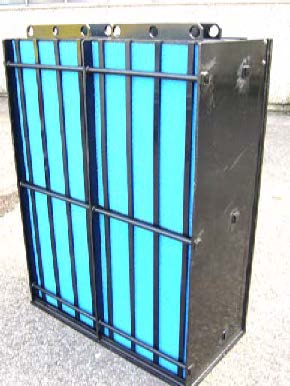
These tanks use special technology to catch and merge small oil droplets into bigger ones. This makes it easier to remove them. It’s vital for places like industrial sites, car shops, and big parking lots where oil and water mix.
Key Takeaways
- Freytech Inc. Oil water separators are crucial for environmental compliance in New Hampshire
- These tanks effectively remove petroleum hydrocarbons from wastewater
- Coalescing technology enhances the separation of oil from water
- Proper wastewater management protects local watersheds
- Oil water separators help businesses avoid environmental penalties
Understanding Oil Water Separator Tanks in New Hampshire
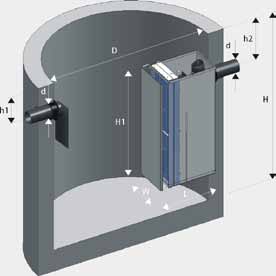
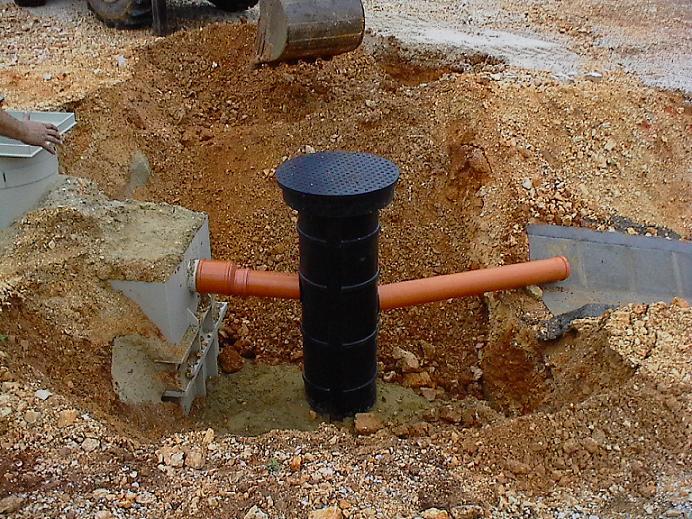
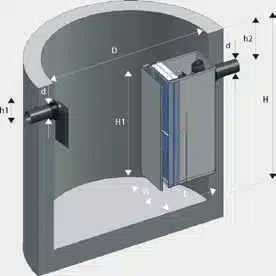
Oil water separator tanks are key in fighting water pollution in New Hampshire. They work with underground storage tanks to keep oil and water apart. This helps protect the environment and follows state laws.
How Oil Water Separators Work
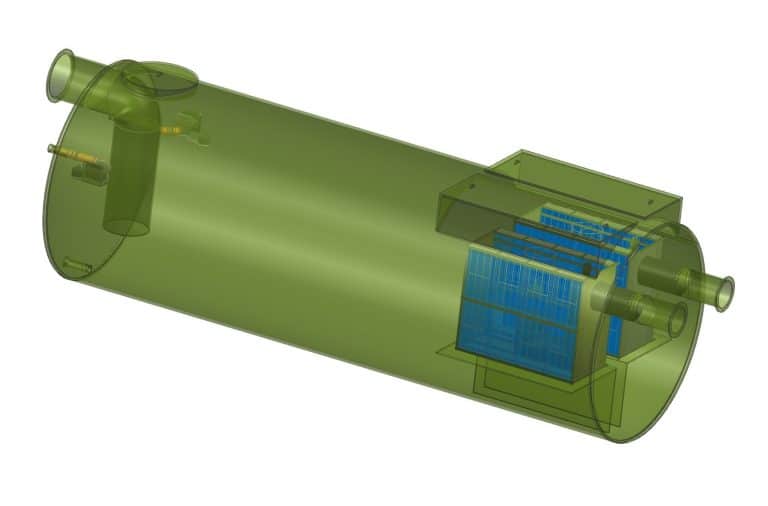
Oil water separators use gravity and special media to separate oil and water. They count on the liquids’ different densities. When wastewater goes through, oil floats up and water falls down. This makes clean water come out.
Benefits of Oil Water Separators
These systems have many benefits for recycling wastewater. They work on their own, need little upkeep, and take up small space. By taking out oil and other pollutants, they help companies meet environmental rules and lessen their impact on nature.
New Hampshire Regulations for Wastewater Management
New Hampshire has tough rules for handling wastewater. It’s important to keep oil water separators clean and well-maintained to protect local water sources. Cities and towns might have extra rules for keeping these systems in good shape. This helps keep the environment safe all over the state.
Freytech Inc.’s Advanced Oil Water Separator Technology
Freytech Inc. is at the forefront of Oil Water Separator Tanks in New Hampshire. They use the latest technology. Their systems meet tough environmental rules and work very well.
Enhanced Coalescing Technology
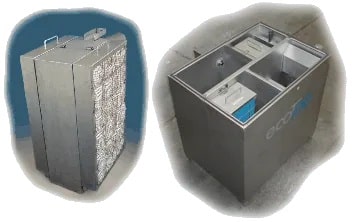
Freytech’s separators use advanced coalescing tech to take oil out of water. This makes wastewater in New Hampshire cleaner. It goes beyond what laws require.
Separation Efficiency and Discharge Limits
The company’s systems can separate oil from water to 5 PPM. This is better than the North American limit of 10 PPM. For very clean water, Freytech has solutions that can get down to 0.1 PPM.
Types of Hydrocarbons Separated
Freytech’s Oil Water Separator Tanks in New Hampshire remove many hydrocarbons. These include motor oil, diesel, gasoline, and jet fuel. They are great for many industries. This ensures they meet environmental rules in different situations.
Oil Water Separator Tanks New Hampshire: Applications and Industries
Oil water separator tanks are key in many New Hampshire industries. They are vital for handling industrial wastewater and managing stormwater runoff. These systems are used in manufacturing plants and automotive facilities to meet environmental laws and protect water resources.
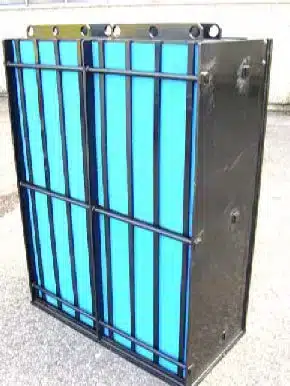
In manufacturing, these tanks deal with compressor condensate, cooling water, and machine tool coolant. They remove oil and grease from wastewater, making it safe to dispose of. For car businesses, they treat floor drain runoff and mop water, stopping harmful stuff from getting into the environment.
For managing stormwater in parking lots and garages, oil water separators are crucial. They catch oil and sediment from runoff, keeping local waterways clean. In industrial areas, they handle tramp oil ponds and rinse tanks, making wastewater treatment more efficient.
Environmental cleanup projects also use oil water separators. These systems help clean up groundwater by removing oil contaminants from the water. By using these tanks, New Hampshire businesses show they care about responsible water use and protecting the environment.
Maintenance and Best Practices for Oil Water Separators
Keeping oil-water separators in good shape is key for their effectiveness. In New Hampshire, businesses must follow strict rules to make sure these systems work right. Let’s look at important maintenance tips and how to follow New Hampshire’s rules.
Regular Inspection and Cleaning
Checking these separators often is a must. Look for any damage or buildup. Clean the system when it’s full of sediment. Some separators need cleaning every few months, while others can wait longer. This depends on how much they’re used and the type of waste they handle.
Proper Disposal of Separated Contaminants
Getting rid of the oils and solids is very important. These are often considered hazardous waste. New Hampshire has strict rules for handling and disposing of them. Work with companies that are licensed to handle waste to make sure you’re doing it right and protecting the environment.
Compliance with Local Regulations
New Hampshire has its own rules for managing wastewater. Keep up with these rules to avoid fines. Keep records of all maintenance work. This helps prove you’re following the rules during inspections. Think about hiring experts who know the local laws to help manage your oil-water separator.
By following these steps, businesses can keep their oil-water separators running well. This keeps you in line with New Hampshire’s rules and helps protect the environment. Regular maintenance also makes your system last longer and keeps your business safe from legal problems.
These separators are crucial in storm water systems. They process runoff to meet the US EPA’s Clean Water Act standards. With effective oily water treatment, facilities protect the environment and dodge big fines.
Conclusion
Oil water separator tanks in New Hampshire are key for managing wastewater and protecting the environment. They help industries meet strict water discharge rules and protect local water. With advanced technology from Freytech Inc., businesses can separate oil and water efficiently and follow environmental laws.
Keeping oil water separator tanks in good shape is very important. Regular checks, cleanings, and getting rid of separated waste are must-do tasks. These actions keep the systems working well, helping with stormwater and industrial wastewater treatment.
In New Hampshire, following local rules is crucial for businesses with oil water separator tanks. By using best practices and keeping up with environmental laws, industries can reduce their impact on the environment. The ongoing use and improvement of oil water separator technology is key to keeping New Hampshire’s natural resources safe for the future.
FAQ
What are oil water separator tanks?
Oil water separator tanks are systems that remove petroleum hydrocarbons from water. They make sure the water has less than 10 mg/l of oil. These tanks are key for managing wastewater and following environmental laws in New Hampshire.
How do oil water separators work?
Oil water separators use gravity and special media to separate oil from water. They have a special media that pulls together tiny oil droplets into bigger ones. This makes it easier to remove the oil.
What are the benefits of using oil water separators?
Oil water separators work automatically and are easy to keep up. They are designed to be compact and protect the environment by keeping contaminants out of water. They also help meet local water discharge rules.
What are the New Hampshire regulations for wastewater management?
In New Hampshire, you must keep oil water separators in good shape to protect the environment. Cities and towns have their own rules for cleaning and checking these systems.
How does Freytech Inc.’s technology enhance oil water separator performance?
Freytech Inc. has improved oil water separator technology. Their systems can remove oil at a level of 5 PPM, which is better than the U.S. limit of 10 PPM. Some systems can even remove trace amounts of emulsified oil, down to 0.1 PPM.
What types of hydrocarbons can oil water separators separate?
Oil water separators can remove many types of hydrocarbons. This includes motor oil, diesel, gasoline, jet fuel, and more.
What are the applications of oil water separator tanks in New Hampshire?
In New Hampshire, oil water separators are used in many places. They help with compressor condensate, surface skimmings, and cooling water. They also work for groundwater remediation, floor drains, mop water, machine tool coolant, tramp oil ponds, and rinse tanks. These systems are vital for managing stormwater runoff and keeping water clean in places like parking lots, garages, and industrial areas.
How should oil water separators be maintained?
Keeping oil water separators in good shape is important. You should check them regularly to see if they need cleaning. Cleaning can be done with pump trucks or vactor trucks for big sediment buildup. It’s also important to dispose of the separated contaminants correctly, as some may be hazardous waste.
Why is compliance with local regulations important?
Following local laws is key. You should make maintenance plans that fit your area’s rules. Keeping up with these laws helps oil water separators work well. This is important for managing stormwater and treating industrial wastewater.