Ever wonder how Texas oilfields manage their wastewater without harming the environment? The answer lies beneath our feet. Texas Below Ground Oil Water Separators are changing the game in the Lone Star State.
These underground tanks are a big deal in the industry. They’re not just meeting standards; they’re setting new ones. With a 5 PPM separation efficiency, they’re way ahead of the 10 PPM limit in North America.
Freytech Inc. is at the forefront with their advanced subsurface hydrocarbon treatment systems. Their separators can even handle trace amounts of emulsified oil, achieving a 0.1 PPM separation efficiency. They can handle motor oil, diesel, or jet fuel with ease.
Key Takeaways
- Texas Below Ground Oil Water Separators exceed North American discharge limits
- Freytech Inc. offers systems with 5 PPM separation efficiency
- Underground tanks can handle various types of refined hydrocarbons
- Enhanced coalescing technology achieves 0.1 PPM separation efficiency
- Subsurface systems are crucial for oilfield wastewater management
Understanding Below Ground Oil Water Separators
Below ground oil water separators are key in managing oilfield wastewater. They remove oils and solids from water. This makes them crucial for many industries.
Definition and Purpose
These systems are made to clean contaminated water. They separate oil, water, and solids. This allows for safe disposal or reuse of the water.
Key Components
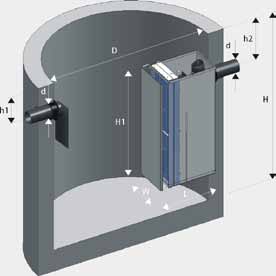
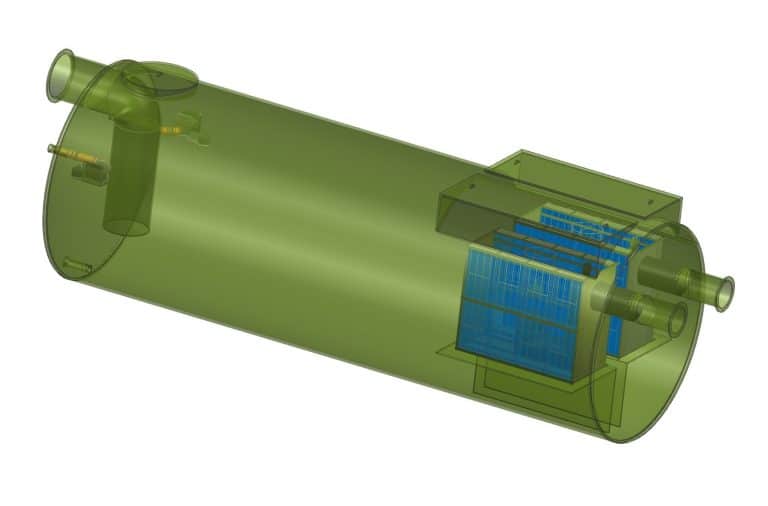
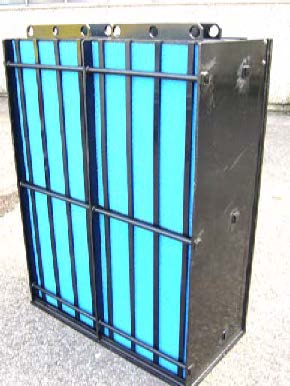
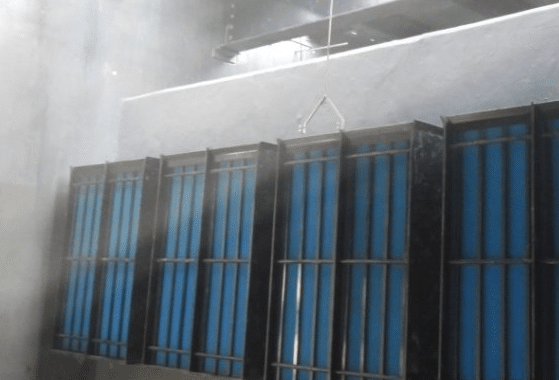
These systems have fiberglass tanks, coalescing technology, inlet diffusers, and clean-water collectors. The coalescing parts, often made of polypropylene, help oil droplets merge and separate from water better.
Advantages of Below Ground Systems
Below ground separators have many benefits. They resist corrosion and keep a watertight seal. They can also handle high flow rates.
These features make them perfect for vehicle repair shops, fuel plants, and commercial parking areas. As part of oilfield wastewater management, they help protect the environment and meet regulations.
Texas Below Ground Oil Water Separators: Industry Standards
Oil and gas operations in Texas follow strict rules for below ground oil water separators. These rules help with handling fluids effectively across the state.
Regulatory Requirements in Texas
The Texas Commission on Environmental Quality sets rules for oil water separators. These rules cover how to install, maintain, and check the separators in lease tank batteries. Companies need the right permits and must get regular checks to follow the rules.
Performance Benchmarks
Companies like Freytech Inc. set high standards for separator efficiency. Their systems can separate up to 5 parts per million (PPM), which is better than the 10 PPM standard in North America. This high performance is key for handling fluids responsibly.
Certification and Compliance
Good separators often have UL 2215 certification for vertical-tube designs or CAN/ULC S656 listing for coalescing plate technology. These certifications show the separators meet tough safety and performance standards. Many Texas facilities also need H-25 or HS-25 axle load ratings for heavy use.
Following these standards, below ground oil water separators are crucial for keeping the environment safe and operations efficient in Texas oil and gas production.
Advanced Technology in Oil Water Separation
The oil and gas industry has made big strides in separating oil from water. These new technologies aim to work better and be kinder to the environment. Enhanced coalescing technology is a big leap forward in this area.
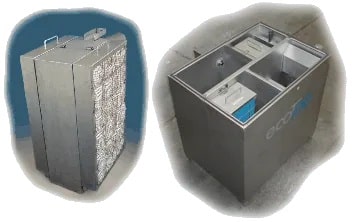
Enhanced coalescing technology uses special plates to separate oil and water better. It’s great at getting rid of tiny bits of oil that traditional methods miss. The plates help oil droplets merge and separate from water more easily.
Some designs use the Buffalo-Morse Principle to slow down fluids and start the separation process. This method spreads out the flow, making it easier to separate oil and water. Then, the Royal Dutch Shell Principle takes it up a notch with multiple corrugated plates.
These new technologies don’t just separate better; they also need less upkeep. For the oil and gas industry, this means less down time and lower costs. As rules get tougher on the environment, these solutions are key to staying compliant and keeping production up.
Design and Installation Considerations
Designing and installing Below Ground Oil Water Separators is key for their success. These systems need careful planning to work well and follow the rules.
Sizing and Capacity Planning
These separators come in sizes from 600 to 30,000 gallons. Choosing the right size depends on how much flow and contaminants you expect. A detailed look at your site helps pick the best size for you.
Site Preparation and Installation
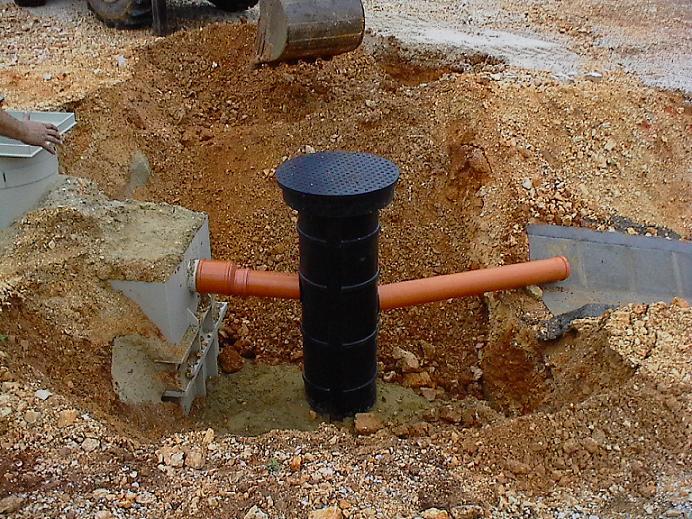
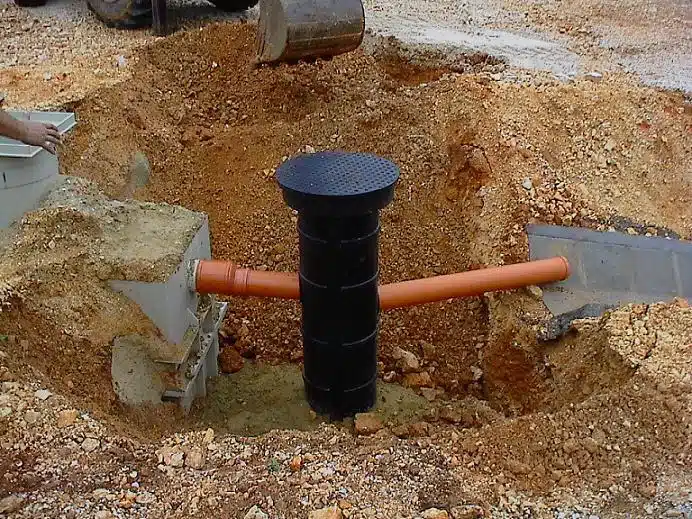
Installing these separators needs careful site prep. This includes digging, filling back in right, and making sure it’s stable. Following local rules during installation is a must to make sure it’s safe and works right.
Maintenance Features
Today’s hydrocarbon treatment systems are easy to maintain. They have manways for taking out sludge and cleanable packs. Some separators let you remove packs for a deep clean.
Systems with liquid-level monitors can improve performance. These track oil levels, helping you keep up with maintenance and avoid overflows. Keeping them in good shape makes them last longer and work better.
Applications and Industries Served
Below ground oil water separators are key in many sectors. They manage wastewater and keep industries in line with environmental laws. Let’s see how these separators help different sectors.
Oil and Gas Sector
The oil and gas industry needs produced water treatment equipment a lot. These systems handle the big amounts of water from drilling. Oilfield wastewater management solutions help companies follow environmental rules and use resources well.
Industrial Facilities
Industrial sites often have oil-contaminated water from various sources. Below ground separators are used in places like big oil storage areas, car repair shops, and gas stations. These systems take oil out of wastewater before it’s released, keeping the environment safe and following laws.
Commercial Properties
Commercial places like parking lots and truck stops use underground oil water separators too. These systems deal with runoff water that has oil and grease from cars. By cleaning this water before it goes into the water system or natural water, commercial places stay clean and avoid fines.
These separators are crucial in storm water systems. They process runoff to meet the US EPA’s Clean Water Act standards. With effective oily water treatment, facilities protect the environment and dodge big fines.
Conclusion
Texas Below Ground Oil Water Separators are key in fighting hydrocarbon pollution. They are efficient and reliable. Companies like Freytech Inc. offer advanced systems that go beyond what’s expected.
These separators are vital in busy oil fields and large industrial areas. They help companies follow strict environmental laws and protect Texas’s water. The technology used in these systems ensures great performance in many areas.
As we worry more about the environment, the role of Texas Below Ground Oil Water Separators is more important. They are a smart choice for companies wanting to be eco-friendly. By picking top-notch underground oil/water separation tanks, companies move towards a cleaner, greener future.
FAQ
What is the purpose of below ground oil water separators?
Below ground oil water separators remove free-floating oils and settleable solids from mixtures. They are vital for places like vehicle repair shops, fuel plants, truck stops, and big parking lots.
What are the key components of underground oil water separators?
Key parts include fiberglass tanks, coalescing technology, inlet diffusers, and clean-water collectors.
What are the advantages of below ground oil water separator systems?
They resist corrosion, are watertight, and can handle a lot of water flow.
What are the regulatory requirements for Texas Below Ground Oil Water Separators?
They must meet Texas’s rules and standards. They should have UL 2215 or CAN/ULC S656 certifications for certain technologies.
What performance benchmarks do Texas Below Ground Oil Water Separators need to meet?
They must separate oil to 5 PPM, beating the North American standard of 10 PPM. They also need to pass H-25 / HS-25 axle load tests for strength and safety.
What advanced technologies are used in oil water separation?
They use advanced coalescing systems and special plate designs. These include the Buffalo-Morse and Royal Dutch Shell Principles for better separation and less upkeep.
How is the sizing and capacity planning done for below ground oil water separators?
The size and capacity depend on the application and site needs. They range from 600 to 30,000 gallons.
What maintenance features are available for below ground oil water separators?
They have easy-to-open manways for removing sludge, cleanable coalescing packs, and removable plates for upkeep. Some also have systems to check oil levels.
What industries and applications utilize below ground oil water separators?
These separators are used in many sectors. This includes the oil and gas industry for managing produced water, industrial sites for storing and handling bulk petroleum, and for fueling aircraft and vehicles. They’re also used in maintenance and at commercial spots like truck stops and parking areas.